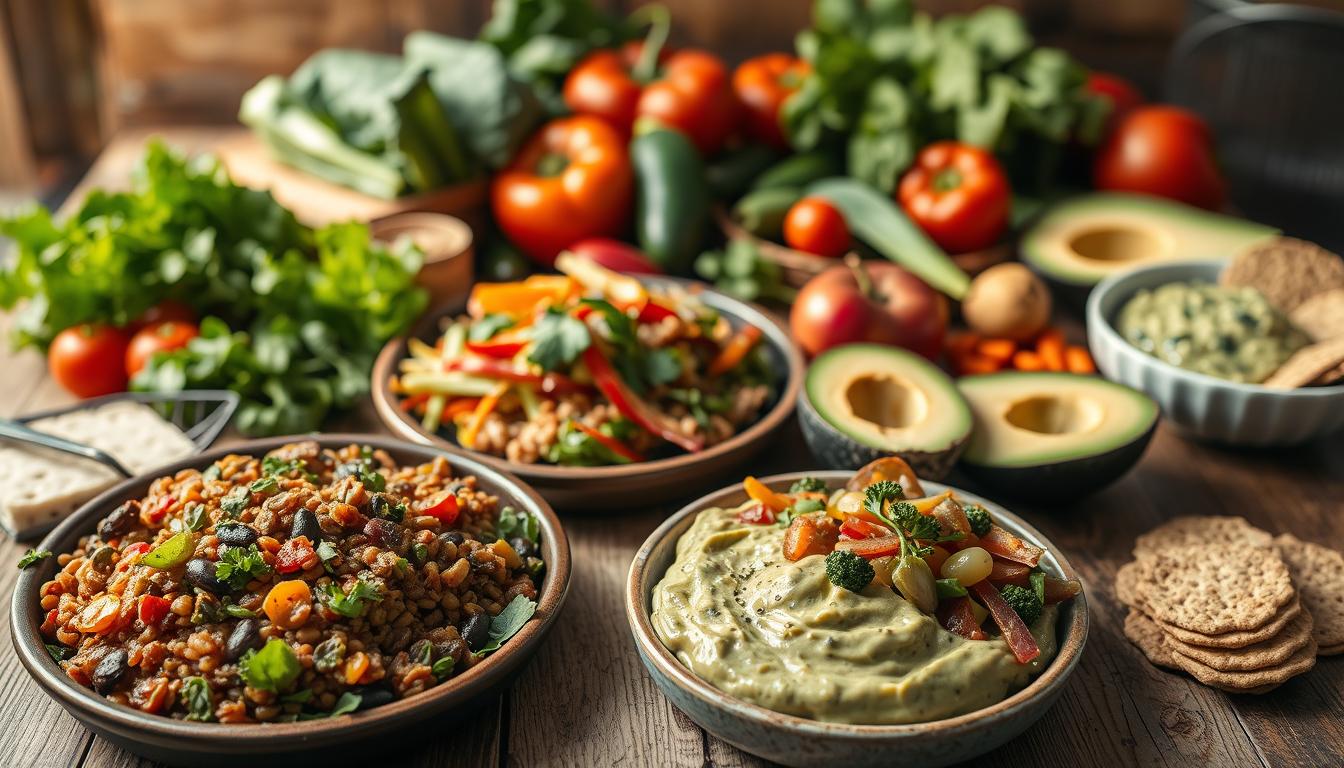
Easy Vegan Recipes Embracing a plant-based diet can be a transformative experience for your health and wellbeing. With the rise of veganism, there’s never been a better time to explore the world of vegan recipes.

Cooking healthy meals doesn’t have to be complicated. In fact, with a few simple ingredients and some easy-to-follow instructions, you can create delicious and nutritious meals that are perfect for any time of day.
This guide is designed to introduce you to the world of plant-based cooking, providing you with the inspiration and confidence to start cooking.
Key Takeaways Easy Vegan Recipes
- Discover simple and delicious vegan recipes for a healthier lifestyle.
- Learn the benefits of plant-based cooking for your overall wellbeing.
- Explore a variety of healthy meals to inspire your cooking.
- Get started with vegan recipes that are easy to make and fun to eat.
- Understand how plant-based cooking can transform your health.
The Benefits of Plant-Based Cooking
Plant-based cooking is not just a dietary choice, but a lifestyle that promotes health, sustainability, and compassion. By adopting vegan diets, individuals can experience a range of benefits that extend beyond personal health to encompass environmental and ethical advantages.
Health Advantages of Easy Vegan Recipes Diets
Vegan diets are rich in nutrients, fiber, and antioxidants, which can lead to improved overall health and a reduced risk of chronic diseases such as heart disease, diabetes, and certain cancers. A well-planned vegan diet can provide all the necessary nutrients for optimal health.
Environmental Impact of Plant-Based Eating
Plant-based eating has a significantly lower environmental impact compared to diets that include animal products. It requires less water, land, and energy, and generates fewer greenhouse gas emissions. By choosing plant-based options, individuals can contribute to a more sustainable food system.
Ethical Considerations
Many people adopt vegan diets for ethical reasons, choosing to avoid products that involve animal exploitation. By supporting plant-based cooking, individuals can promote animal welfare and reduce the demand for factory-farmed products.
Embracing plant-based cooking can lead to a more compassionate, sustainable, and healthy lifestyle. As more people turn to vegan diets, the collective impact on health, the environment, and animal welfare can be significant.
Essential Ingredients for Your Vegan Pantry
A well-stocked vegan pantry is the foundation of a healthy and sustainable kitchen. Having the right ingredients on hand makes it easier to prepare delicious and nutritious meals.
Plant-Based Protein Sources
Protein is an essential nutrient, and there are many plant-based sources to choose from. Incorporating a variety of these into your diet ensures you’re getting enough protein.
Legumes and Beans
Legumes and beans are not only rich in protein but also in fiber and various vitamins and minerals. Examples include lentils, chickpeas, black beans, and kidney beans.
Tofu, Tempeh, and Seitan
Tofu, tempeh, and seitan are versatile protein sources that can be used in a wide range of dishes, from stir-fries to curries. They are excellent alternatives to meat and can be marinated and seasoned for added flavor.
Dairy Alternatives
For those transitioning to a vegan diet, dairy alternatives are a staple. They can be used in cooking, baking, or as a direct substitute for dairy in beverages.
Plant Milks and Creams
Plant milks such as almond, soy, and oat milk are popular dairy alternatives. It can be used in sauces and desserts, offering a rich and creamy texture.
Easy Vegan Recipes Cheeses
Vegan cheeses have come a long way in terms of taste and texture. They can be used in sandwiches, pasta dishes, and as a melting cheese in various recipes.
Must-Have Herbs and Spices
Herbs and spices are crucial for adding flavor to vegan dishes. Some essentials include turmeric, cumin, basil, and oregano. Experimenting with different combinations can elevate your cooking.
Vegan Staples to Keep on Hand
Other staples for a vegan pantry include grains like quinoa and brown rice, nuts and seeds for snacking and adding crunch, and a variety of canned goods like coconut milk and diced tomatoes.
Quick and Easy Vegan Breakfast Ideas
Kickstart your morning with a quick and easy vegan breakfast that’s packed with flavor and nutrients. Vegan breakfasts offer a variety of health benefits, from boosting your energy levels to supporting your overall well-being.
Overnight Oats and Smoothie Bowls
Overnight oats and smoothie bowls are popular vegan breakfast options that are both nutritious and delicious. They can be prepared ahead of time, making them perfect for busy mornings.
Berry Banana Smoothie Bowl Recipe
Create a berry banana smoothie bowl by blending frozen berries, banana, and almond milk, then topping it with granola, nuts, and fresh fruit.
Peanut Butter Chocolate Overnight Oats
For a decadent treat, try peanut butter chocolate overnight oats. Mix rolled oats, cocoa powder, peanut butter, and plant-based milk, then refrigerate overnight and enjoy in the morning.
Savory Breakfast Options
Not everyone wants a sweet breakfast. Savory options like tofu scramble and avocado toast are great alternatives.
Tofu Scramble with Vegetables
A tofu scramble can be made by crumbling tofu into a pan with turmeric, nutritional yeast, and sautéed vegetables, then serving it with whole grain toast or a wrap.
Avocado Toast Variations
Avocado toast is a versatile breakfast option. Top toasted bread with mashed avocado, salt, and pepper, and add extras like cherry tomatoes or vegan hummus.
Weekend Brunch Recipes
Weekends are a great time to try more elaborate vegan brunch recipes. Consider making a vegan quiche or a breakfast burrito with scrambled tofu and roasted vegetables.
| Breakfast Idea | Main Ingredients | Prep Time |
|---|---|---|
| Overnight Oats | Rolled oats, plant-based milk, chia seeds | 5 minutes |
| Smoothie Bowl | Frozen fruit, banana, almond milk | 10 minutes |
| Tofu Scramble | Tofu, turmeric, nutritional yeast, vegetables | 15 minutes |
“The food you eat can either be the safest and most powerful form of medicine or the slowest form of poison.” – Ann Wigmore
By incorporating these quick and easy vegan breakfast ideas into your routine, you’ll not only be nourishing your body but also supporting a more sustainable and compassionate lifestyle.
Satisfying Plant-Based Lunches
Embracing plant-based lunches can transform your mid-day meal into a delightful experience. With a variety of options available, you can enjoy nutritious and flavorful meals that satisfy your hunger and nourish your body.

Hearty Salads and Bowls
Salads and bowls are a fantastic way to enjoy a filling and healthy lunch. They can be customized with your favorite ingredients and are perfect for meal prep.
Mediterranean Chickpea Salad
This refreshing salad combines chickpeas, cherry tomatoes, cucumber, and red onion, tossed in a zesty lemon-tahini dressing. It’s a protein-packed option that’s ready in just 15 minutes.
Buddha Bowl with Tahini Dressing
Create a nourishing Buddha bowl with a base of quinoa or brown rice, topped with roasted vegetables, avocado, and a drizzle of creamy tahini dressing. This bowl is not only filling but also rich in fiber and vitamins.
Sandwiches and Wraps
Sandwiches and wraps are convenient and versatile lunch options. They can be made with a variety of fillings, from classic hummus and avocado to more adventurous choices like grilled portobello mushrooms.
- Layer sliced veggies like cucumbers, bell peppers, and spinach between whole grain bread for a crunchy and refreshing sandwich.
- Use large lettuce leaves as wraps for a low-carb and paleo-friendly option.
- Experiment with different spreads like hummus or guacamole to add creaminess and flavor.
Make-Ahead Lunch Ideas
Preparing your lunch in advance can save time during the week and ensure you stick to your healthy eating goals. Consider making a batch of quinoa salad or lentil soup on the weekend to enjoy throughout the week.
“Meal prep is a game-changer for busy professionals. It allows you to enjoy healthy, home-cooked meals even on the most hectic days.” – Nutrition Expert
By incorporating these satisfying plant-based lunch ideas into your routine, you’ll be able to enjoy delicious and nutritious meals that support your overall well-being.
Delicious Easy Vegan Recipes for Dinner
Easy vegan dinner recipes are perfect for those looking to enjoy plant-based meals without spending hours in the kitchen. With a variety of simple and delicious options, you can create satisfying meals that everyone will love.
One-Pot Vegan Meals
One-pot meals are a great way to simplify dinner while ensuring a nutritious meal. These recipes minimize cleanup and maximize flavor.
Lentil and Vegetable Stew
A hearty lentil and vegetable stew is a comforting dinner option that’s easy to prepare. Simply sauté your favorite vegetables, add lentils and broth, and let it simmer until the lentils are tender.
Coconut Curry with Tofu
For a flavorful and quick vegan dinner, try making a coconut curry with tofu. This dish combines the richness of coconut milk with the protein-packed goodness of tofu, all in one pot.
30-Minute Dinner Solutions
For those busy evenings, having a 30-minute dinner solution can be a lifesaver. These recipes are designed to be quick without sacrificing flavor or nutrition.
Quick Stir-Fry with Peanut Sauce
A quick stir-fry with a delicious peanut sauce is a great way to get dinner on the table fast. Use your favorite vegetables and serve over rice or noodles for a filling meal.
Easy Vegan Pasta Dishes
Vegan pasta dishes are another quick option. With a variety of sauces to choose from, you can create a different pasta dish every night of the week.
Crowd-Pleasing Plant-Based Entrees
When you’re cooking for a crowd, you want recipes that are sure to please. These crowd-pleasing plant-based entrees are perfect for family gatherings or special occasions.
Stuffed Bell Peppers
Stuffed bell peppers are a colorful and nutritious option that’s sure to impress. Fill bell peppers with a mix of rice, beans, and vegetables, and bake until tender.
Mushroom and Lentil Loaf
A mushroom and lentil loaf is a hearty, satisfying dish that’s perfect for a special dinner. It’s a great alternative to traditional meatloaf and is sure to be a hit with both vegans and non-vegans alike.
Easy Vegan Recipes Strategies
Mastering vegan meal prep strategies can revolutionize your eating habits. By dedicating a few hours each week to preparing your meals, you can save time, reduce stress, and ensure that you’re consuming healthy, nutritious food.
Batch Cooking Basics
Batch cooking is a fundamental aspect of vegan meal prep. It involves preparing large quantities of a single ingredient or meal, which can then be portioned out over several days. This technique is particularly useful for grains, legumes, and roasted vegetables.
To get started with batch cooking, choose a few recipes that can be made in bulk, such as quinoa salad or lentil soup. Invest in a good set of containers to store your prepped meals, making sure they are airtight and microwave-safe.
Storage and Freezing Tips
Proper storage and freezing techniques are crucial for maintaining the freshness and quality of your prepped meals. Use airtight containers or freezer bags to store your food, and label them with the date and contents.
When freezing, consider portioning out individual servings to make reheating easier. Some vegan foods, like soups and stews, freeze particularly well, while others, like salads, are best consumed fresh.
Weekly Easy Vegan Recipes Plan
Creating a weekly meal prep plan can help you stay organized and ensure that you’re meeting your nutritional needs. Start by planning your meals for the week, considering your schedule and dietary requirements.
Prep Day Routine
Dedicate one day a week to meal prep, such as Sunday or Monday. Start by making a list of the ingredients you need, then proceed to prep your meals according to your plan.
Mix and Match Components
To avoid meal monotony, prepare a variety of components that can be mixed and matched throughout the week. For example, cook a large batch of rice, roast several types of vegetables, and prepare a few different protein sources.
Nutritional Considerations for Vegan Cooking
Nutritional balance is key to a successful vegan diet, requiring awareness and planning. A well-planned vegan diet can provide all the necessary nutrients for optimal health, but it demands a bit more attention to certain nutritional aspects.
Ensuring Adequate Protein Intake
Protein is a crucial nutrient that can be sufficiently obtained through a variety of plant-based sources. Legumes, such as lentils and chickpeas, are excellent protein sources. Nuts and seeds, including almonds and chia seeds, also contribute significantly to protein intake. Moreover, whole grains like quinoa and brown rice provide a good amount of protein. Ensuring a mix of these foods throughout the day can help meet protein needs.
High protein vegan foods include:
- Legumes (lentils, chickpeas, black beans)
- Nuts and seeds (almonds, chia seeds, hemp seeds)
- Whole grains (quinoa, brown rice, whole wheat)
- Soy products (tofu, tempeh, edamame)
Important Nutrients for Vegans
Vegans need to be mindful of certain nutrients that are either found in lower levels or have different forms in plant-based foods compared to animal products.
Vitamin B12 Sources
Vitamin B12 is crucial for nerve function and blood formation. Since it’s primarily found in animal products, vegans can obtain it through fortified foods or supplements. Some plant-based milks and cereals are fortified with Vitamin B12.
Iron and Calcium-Rich Foods
Iron from plant-based sources is not as easily absorbed as the iron from animal sources. Consuming vitamin C-rich foods (like citrus fruits or bell peppers) along with iron-rich foods (like beans or lentils) can enhance absorption. Calcium is found in fortified plant milks, dark leafy greens, and tofu.
Omega-3 Fatty Acids
While the body can synthesize omega-3 fatty acids from plant sources like flaxseed and chia seeds, direct sources like algal oil supplements are also beneficial.
Balanced Meal Planning
A balanced vegan diet involves consuming a wide variety of foods to ensure all nutritional needs are met. Meal planning can be simplified by including a mix of vegetables, fruits, whole grains, and legumes in each meal. Consulting with a dietitian or using reliable vegan nutrition resources can also help in planning a nutritionally adequate diet.
- Include a variety of vegetables and fruits in your diet.
- Use whole grains as a staple.
- Incorporate legumes and nuts for protein.
- Consider fortified foods or supplements for Vitamin B12 and omega-3.
Tips and Tricks for Successful Vegan Cooking
Mastering vegan cooking requires a few simple tips and tricks that can elevate your plant-based dishes. With a little practice and patience, you can create delicious and satisfying meals that everyone will enjoy.
Veganizing Your Favorite Recipes
One of the best ways to start your vegan journey is by adapting your favorite recipes to plant-based versions. This can be as simple as substituting dairy milk for non-dairy milk or replacing eggs with flaxseed or chia seeds.

Time-Saving Techniques
Vegan cooking doesn’t have to be time-consuming. Techniques like batch cooking, one-pot meals, and prep-ahead strategies can save you time during the week. Consider cooking grains, beans, and roasted vegetables in bulk to use throughout the week.
Flavor-Enhancing Strategies
Enhancing flavors is crucial in vegan cooking. Using a variety of spices, herbs, and umami-rich ingredients can elevate your dishes.
Umami Boosters
Umami flavor is essential in many vegan dishes. Ingredients like nutritional yeast, mushroom broth, and soy sauce can add depth and richness to your cooking.
Herb and Spice Combinations
Experimenting with different herb and spice combinations can add complexity and interest to your vegan dishes. Try pairing basil with lemon juice or cumin with coriander for unique flavors.
Conclusion
Vegan cooking offers a wealth of benefits, from promoting healthy meals to supporting a sustainable lifestyle. By incorporating a plant-based diet into your daily routine, you can experience the positive impact it has on your overall well-being and the environment.
Throughout this article, we’ve explored the essential ingredients, quick and easy recipes, and meal prep strategies that make vegan cooking accessible and enjoyable. Whether you’re looking to revamp your breakfast routine or create satisfying dinners, the world of vegan cooking has something to offer.
As you continue on your plant-based journey, remember to stay curious and keep exploring new recipes and ingredients. With a little creativity and experimentation, you can unlock the full potential of vegan cooking and enjoy a world of delicious and healthy meals.
By embracing a plant-based diet, you’re not only nourishing your body but also contributing to a more sustainable food system. So, take the first step, get cooking, and discover the joys of vegan cooking for yourself.
FAQ
What are the benefits of a vegan diet?
A well-planned vegan diet can provide numerous health benefits, including weight loss, improved blood sugar control, and a reduced risk of heart disease. Additionally, veganism is a more environmentally friendly and animal-friendly choice.
How do I ensure I’m getting enough protein on a vegan diet?
You can get enough protein on a vegan diet by consuming a variety of plant-based protein sources, such as legumes, beans, tofu, tempeh, and seitan. It’s also a good idea to consult with a registered dietitian or a healthcare professional for personalized nutrition advice.
What are some essential ingredients for a vegan pantry?
Some essential ingredients for a vegan pantry include plant-based protein sources, dairy alternatives, and must-have herbs and spices. You should also stock up on vegan staples like canned beans, nutritional yeast, and whole grains.
How can I make vegan meal prep easier?
You can make vegan meal prep easier by implementing batch cooking, storage, and freezing tips. Creating a weekly meal prep plan and prep day routine can also help you stay organized and ensure you’re getting a balanced diet.
What are some common nutritional considerations for vegans?
Vegans should be mindful of their intake of certain nutrients, including vitamin B12, iron, calcium, and omega-3 fatty acids. You can get these nutrients from plant-based sources, such as fortified foods, nutritional yeast, and supplements.
How can I veganize my favorite recipes?
You can veganize your favorite recipes by substituting animal products with plant-based alternatives, such as vegan cheese, plant milks, and tofu. You can also experiment with new ingredients and flavor combinations to create delicious and innovative vegan dishes.
What are some time-saving techniques for vegan cooking?
Some time-saving techniques for vegan cooking include one-pot meals, 30-minute dinner solutions, and meal prep. You can also save time by using pre-cut vegetables, canned beans, and other convenient ingredients.
How can I enhance the flavor of my vegan dishes?
You can enhance the flavor of your vegan dishes by using umami boosters, such as mushrooms and soy sauce, and experimenting with herb and spice combinations. You can also try using different cooking techniques, such as roasting and grilling, to bring out the natural flavors of your ingredients.
Source link