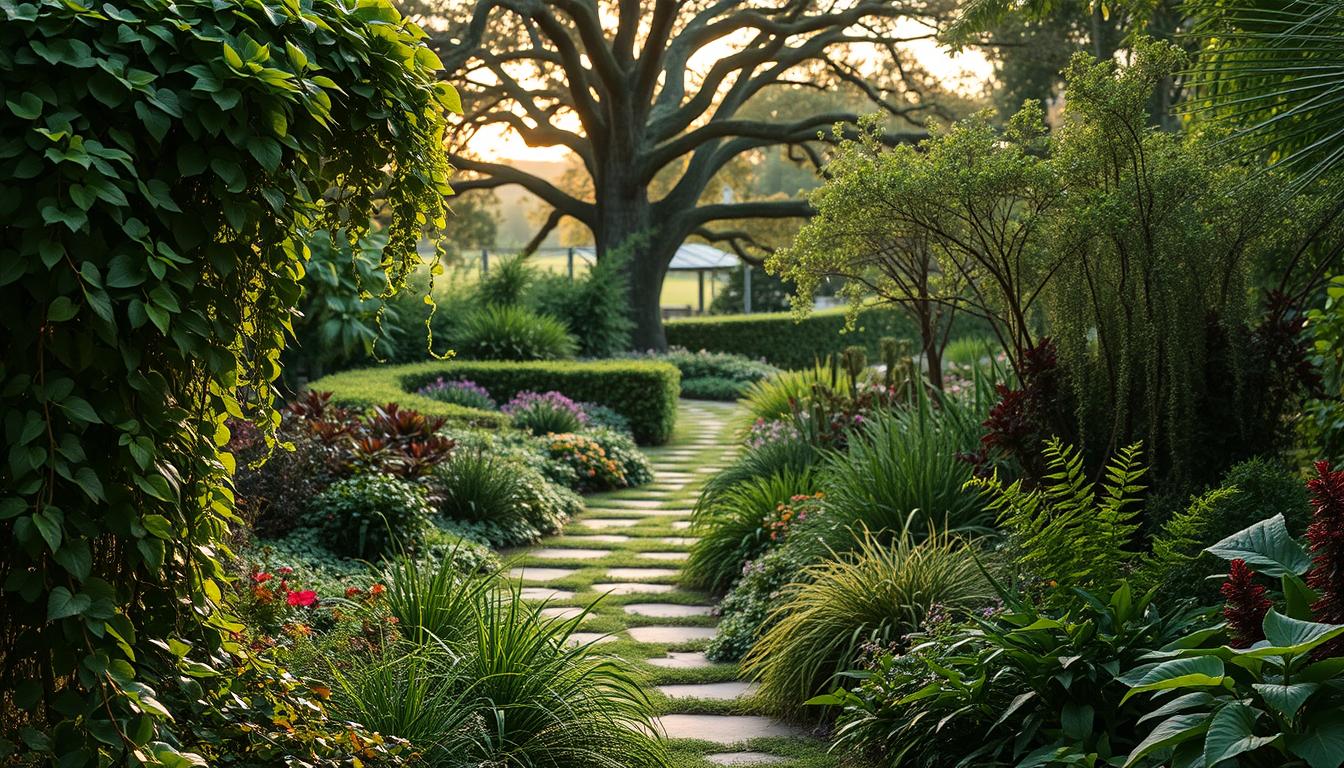
Easy Garden Hacks Creating a beautiful outdoor space doesn’t have to be a daunting task. With the right gardening tips, you can transform your yard into a low-maintenance garden that’s perfect for relaxation and entertainment.

By incorporating easy garden tips into your gardening routine, you can enjoy a lush oasis without the hassle. Whether you’re a seasoned gardener or just starting out, these effortless garden hacks will help you achieve your outdoor goals.
Key Takeaways Easy Garden Hacks
- Simple strategies for a low-maintenance garden
- Tips for creating a beautiful outdoor space
- Effortless gardening hacks for a lush oasis
- Easy ways to maintain your garden
- Gardening tips for a stress-free outdoor experience
The Dream of a Low-Maintenance Easy Garden Hacks
Gardening can be a joy, but it doesn’t have to be a chore, thanks to some clever garden hacks. Many gardeners struggle to maintain their outdoor spaces, but with the right approach, it’s possible to achieve a beautiful garden with minimal effort.
Common Gardening Challenges
Gardeners often face a variety of challenges, from poor soil quality to pest infestations. These issues can be daunting, but understanding them is the first step to finding effective solutions. By acknowledging these challenges, gardeners can begin to explore gardening tricks that make maintaining their outdoor space easier.
The Mindset for Easy Garden Hacks Success
A successful gardener needs the right mindset. This involves being patient, observant, and willing to learn. By adopting a positive and proactive approach, gardeners can overcome common obstacles and enjoy their outdoor space without the burden of excessive maintenance.
Embracing this mindset allows gardeners to focus on enjoying their garden, rather than being overwhelmed by the work it requires. With the right attitude and a few simple strategies, anyone can create a thriving, low-maintenance garden.
Smart Planning: The Foundation of Garden Success
To achieve gardening success, it’s crucial to start with a solid plan. A well-thought-out garden design not only enhances the aesthetic appeal of your outdoor space but also makes garden care more manageable.
Assessing Your Space and Climate Zone
Before you begin planting, it’s essential to assess your garden’s conditions. Understanding your climate zone and the specific characteristics of your garden space will help you make informed decisions about plant selection and garden design. This knowledge is a valuable piece of gardening advice that can save you time and effort in the long run.
Designing for Minimal Upkeep
A low-maintenance garden is achievable with the right design. Start by zoning your garden areas to allocate specific spaces for different activities or plant types. This approach helps in organizing your garden efficiently.
Zoning Your Easy Garden Hacks
Divide your garden into zones based on usage or plant requirements. For example, create a zone for a vegetable garden, another for ornamental plants, and a separate area for relaxation.
Creating Efficient Pathways
Pathways are crucial for navigating your garden. Use materials like gravel, wood chips, or pavers to create paths that are not only functional but also add to the garden’s visual appeal. An efficient pathway system reduces wear and tear on your garden, making it a part of good gardening advice for a low-maintenance garden.
By incorporating these planning strategies, you’ll be well on your way to creating a beautiful and sustainable garden that requires less effort to maintain, embodying the principles of good garden care.
Soil Secrets for Thriving Plants
Unlocking the secrets of your soil is the first step to creating a thriving garden. Healthy soil is teeming with life and nutrients, providing your plants with the best chance to grow strong and healthy.
Simple Soil Testing Methods
Before you can improve your soil, you need to understand its current state. Simple soil testing can be done at home or with a kit. One method is the “squeeze test”: grab a handful of moist soil and squeeze it. If it crumbles easily, it’s sandy; if it holds its shape but feels gritty, it’s loamy; and if it forms a tight ball, it’s clay-heavy.
| Soil Type | Characteristics | Ideal Plants |
|---|---|---|
| Sandy | Drains quickly, may lack nutrients | Cacti, Succulents |
| Loamy | Balanced mix, retains moisture | Most Vegetables, Herbs |
| Clay | Retains water, can be dense | Roses, Astilbe |
Improving Soil Quality Naturally
To improve your soil naturally, add organic matter like compost or manure. These materials are rich in nutrients and help improve soil structure. For example, adding compost can help sandy soil retain water, while it can help clay soil drain better.
“The dirt is not dirt; it’s a living, breathing ecosystem that supports all life on Earth.”
No-Dig Gardening Approach
The no-dig gardening method minimizes soil disturbance, preserving its structure and ecosystem. Start by layering organic materials like compost and mulch on top of your existing soil. Over time, this will create a rich, fertile layer without the need for tilling.
By understanding and improving your soil, you can create a thriving garden with minimal effort. Whether you’re a seasoned gardener or just starting out, these soil secrets will help you grow a lush oasis.
Plant Selection: Choose Wisely, Work Less
The right plants can transform your outdoor space into a lush oasis with minimal upkeep. By choosing plants that are well-suited to your climate and soil type, you can significantly reduce garden maintenance.
Native Plants: Your Garden’s Best Friends
Native plants are an excellent choice for any garden. They are naturally adapted to the local climate and soil conditions, requiring less water, fertilizers, and pest control. This makes them a perfect example of a gardening trick for a low-maintenance outdoor space.
Low-Maintenance Perennials for Year-Round Beauty
Perennials come back year after year, providing consistent beauty to your garden with minimal replanting. Some popular low-maintenance perennials include coneflowers, black-eyed Susans, and daylilies. These plants not only add color and texture but also support local biodiversity.
Drought-Tolerant Options for Water Savings
In areas prone to drought, selecting drought-tolerant plants is a wise gardening trick. These plants have adapted to survive with minimal water, reducing the need for frequent watering.
Succulents and Cacti
Succulents and cacti are prime examples of drought-tolerant plants. They store water in their leaves, stems, or roots, making them highly resistant to dry conditions. These plants come in a variety of shapes, sizes, and colors, adding unique beauty to your garden.
Ornamental Grasses
Ornamental grasses are another drought-tolerant option that can add movement and texture to your garden. They are generally low maintenance and can thrive in poor soil, making them ideal for areas where other plants might struggle.
| Plant Type | Maintenance Level | Water Requirement |
|---|---|---|
| Native Plants | Low | Medium |
| Succulents/Cacti | Low | Low |
| Ornamental Grasses | Low/Medium | Low/Medium |
| Low-Maintenance Perennials | Low/Medium | Medium |
By incorporating these plants into your garden, you can enjoy a beautiful outdoor space with less effort. Remember, the key to effortless garden care is choosing the right plants for your specific conditions.
Easy Garden Tips for Effortless Watering
Watering your garden doesn’t have to be a chore; with the right techniques, you can keep your plants thriving with minimal effort. One of the key aspects of maintaining a low-maintenance garden is efficient watering.
Drip Irrigation: Set It and Forget It
Drip irrigation is a highly effective method that delivers water directly to the roots of plants, reducing evaporation and runoff. This method is not only water-efficient but also saves time.
Rain Barrels and Water Conservation
Using rain barrels is another simple way to conserve water. By collecting rainwater, you can reduce your water bill and provide your plants with a natural source of water that’s free from chemicals often found in tap water.
Smart Watering Schedules
Creating a smart watering schedule is crucial for the health of your plants. It’s not just about watering regularly, but also about doing it at the right time.
Morning vs. Evening Watering
The debate between morning and evening watering has its merits on both sides. Watering in the morning allows plants to absorb water throughout the day, while evening watering can help reduce evaporation. However, evening watering can also lead to fungal diseases if not done correctly.
| Watering Time | Advantages | Disadvantages |
|---|---|---|
| Morning | Less evaporation, plants have water throughout the day | Can be hot, potentially causing stress to plants |
| Evening | Reduces evaporation, can be more convenient | Risk of fungal diseases if water stays on leaves |
By implementing these easy garden tips, you can enjoy a lush, thriving garden without the hassle of constant watering. Whether you opt for drip irrigation, rain barrels, or a smart watering schedule, your garden will thank you.
Mulching Magic: Nature’s Garden Helper
For gardeners seeking effortless garden hacks, mulching is a game-changer. Mulching involves covering the soil with a layer of material to retain moisture, suppress weeds, and regulate soil temperature.
Types of Mulch and Their Benefits
There are various types of mulch, each with its unique benefits. Organic mulches like wood chips, bark, and straw are popular choices. They decompose over time, enriching the soil with nutrients.

Proper Mulching Techniques
To reap the benefits of mulching, it’s essential to apply it correctly. A layer of 2-3 inches is usually sufficient. Avoid piling mulch against plant stems to prevent rot and disease.
Living Mulches and Ground Covers
Living mulches, such as creeping thyme or clover, are low-growing plants that spread to cover the soil. They provide a beautiful, weed-suppressing ground cover that requires minimal maintenance.
| Type of Mulch | Benefits |
|---|---|
| Organic Mulch | Improves soil health, retains moisture |
| Living Mulch | Suppresses weeds, attractive ground cover |
| Inorganic Mulch | Long-lasting, doesn’t decompose |
Weed Control Without the Hassle
Achieving a lush, weed-free garden is within reach when you employ the right gardening tricks and strategies. Weeds can compete with your plants for water, nutrients, and light, but with effective weed control, you can ensure your garden thrives.
Prevention Strategies
Preventing weeds from taking over your garden is the first line of defense. One effective method is mulching, which not only suppresses weed growth but also retains moisture and regulates soil temperature. Additionally, using a pre-emergent herbicide in early spring can prevent weeds from germinating.
Another easy garden tip is to improve your soil quality. Weeds often thrive in poor soil conditions, so by enriching your soil with organic matter, you can create an environment where your desired plants can outcompete weeds.
Natural Weed Killers That Actually Work
For weeds that have already sprouted, there are several natural weed killers you can use. Vinegar-based herbicides are effective because they contain acetic acid, which can kill weeds by drying them out. Boiling water is another simple method; pouring it directly on weeds can kill them without using chemicals.
Landscape Fabric: Pros and Cons
Landscape fabric is a popular choice for weed control as it acts as a barrier, preventing weeds from growing. The pros include reduced weeding time and improved soil moisture retention. However, it can be unsightly if not covered with mulch or other materials, and it may not be suitable for areas where you plan to plant new flowers or vegetables frequently.
When deciding to use landscape fabric, weigh these pros and cons, considering your garden care needs and the overall aesthetic you wish to maintain.
Pest Management the Easy Way
Gardening without the hassle of pests is achievable with the right strategies. Effective pest management is crucial for a thriving garden, and there are several easy ways to keep pests at bay.
Companion Planting for Natural Protection
Companion planting is a simple yet effective method for managing pests. By choosing the right plants to grow together, you can naturally deter pests. For example, marigolds repel nematodes, while basil repels aphids. This method not only reduces the need for pesticides but also adds diversity and beauty to your garden.
DIY Pest Deterrents
Creating your own pest deterrents is easier than you think. Here are a few methods to get you started:
Homemade Insect Sprays
Mixing your own insect sprays using household items can be an effective way to control pests. A simple mixture of water, dish soap, and vinegar can deter many common garden pests. As one gardening expert puts it,
“Homemade sprays are not only cost-effective but also environmentally friendly.”
Physical Barriers
Using physical barriers is another effective DIY method. Covering plants with fine mesh or fine netting can prevent pests like whiteflies and aphids from reaching them. This method is particularly useful for protecting young or vulnerable plants.
When and How to Use Organic Pesticides
While companion planting and DIY deterrents are effective, there may be times when you need to use organic pesticides. It’s essential to choose products that are safe for the environment and your garden’s ecosystem. Always follow the instructions carefully, and consider using them as a last resort. Remember, the goal is to maintain a balanced ecosystem in your garden.
By incorporating these strategies into your gardening routine, you can enjoy a lush, vibrant garden with minimal hassle. Effective pest management is just one part of maintaining a low-maintenance garden that brings joy and beauty to your outdoor space.
Container Gardening: Small Space, Big Impact
Even with limited space, you can create a lush oasis using container gardening techniques. Container gardening is an easy garden tip for those looking to maximize their outdoor space. It offers flexibility and creativity, allowing you to grow a variety of plants in pots and planters.

Self-Watering Container Solutions
Self-watering containers are a great gardening tip for busy individuals. These containers have built-in water reservoirs that supply plants with water as needed, reducing the frequency of watering. This feature is particularly useful for outdoor spaces where plants may be exposed to direct sunlight.
- Use containers with built-in water reservoirs.
- Choose pots with good drainage to prevent waterlogged soil.
Best Plants for Container Success
Selecting the right plants is crucial for container gardening success. Some of the best plants for containers include herbs, succulents, and flowering plants like petunias and geraniums. These plants are not only beautiful but also relatively low maintenance.
Vertical Gardening Techniques
For outdoor spaces with limited floor area, vertical gardening is an excellent solution. You can use trellises, wall-mounted planters, or vertical gardening systems to grow vining plants or a variety of herbs and flowers. This technique maximizes space and adds visual interest to your garden.
Seasonal Garden Maintenance Shortcuts
Simplify your gardening routine with these practical shortcuts for each season. By adopting a few simple strategies, you can maintain a beautiful garden without the usual hassle.
Spring Prep in Half the Time
Spring is a busy time for gardeners, but it doesn’t have to be overwhelming. Start by cleaning up debris from the previous season, and then focus on preparing your soil with compost or manure. Consider using a no-dig approach to minimize labor.
- Clear away dead plant material
- Add organic matter to improve soil quality
- Prune perennials to encourage new growth
Summer Maintenance Minimized
During the summer, maintaining your garden’s health is crucial. Use drip irrigation to conserve water and reduce evaporation. Mulching around plants helps retain moisture and suppress weeds.
“A well-maintained garden is not just about aesthetics; it’s also about creating a sustainable ecosystem.”
Fall and Winter Quick Tasks
As fall approaches, prepare your garden for the colder months by cleaning up and protecting your plants. In winter, focus on planning and maintenance tasks that don’t require as much physical labor.
Efficient Leaf Management
Leaves can be a nuisance, but they also provide valuable nutrients. Consider composting them or using them as mulch.
Winter Protection Simplified
Protect your plants from harsh winter conditions by applying a layer of mulch or straw. This simple step can make a significant difference in their survival.
- Apply mulch or straw to protect plants
- Check for winter damage and plan repairs
By following these seasonal garden maintenance shortcuts, you can enjoy a thriving garden with less effort. Incorporate these gardening tricks into your routine for a more enjoyable gardening experience.
Tech Tools and Gadgets for the Modern Gardener
Modern gardeners can now leverage a variety of tech tools and gadgets to create a low-maintenance garden. These innovations simplify gardening tasks, making it easier to achieve a lush oasis without excessive labor.
Apps to Track and Plan Your Garden
Gardening apps like Garden Plan Pro and Garden Tags help you organize and track your garden’s progress. These apps provide easy garden tips and allow you to monitor planting schedules, track watering, and record maintenance activities.
Smart Devices Worth the Investment
Smart gardening devices, such as soil moisture sensors and smart irrigation controllers, optimize water usage and reduce waste. These garden hacks ensure your plants receive the right amount of water, promoting healthy growth.
Automated Systems for Busy Gardeners
Automated gardening systems can control watering, pruning, and even monitoring your garden’s condition. These systems are perfect for busy gardeners, providing easy garden tips and peace of mind.
Conclusion: Your Easy Garden Hacks Journey
Creating a beautiful and thriving garden doesn’t have to be a daunting task. By applying the gardening tips and techniques discussed, you can transform your outdoor space into a lush oasis with minimal upkeep. Smart planning, soil care, and the right plant selection are key to achieving a low-maintenance garden that brings joy and serenity.
As you’ve learned, simple strategies like drip irrigation, mulching, and companion planting can significantly reduce garden care tasks. By incorporating these methods into your garden routine, you’ll be able to enjoy your outdoor space without the hassle. Whether you’re a seasoned gardener or just starting out, the principles outlined in this article will help you cultivate a stunning garden that requires less effort.
Now, it’s time to put these gardening tips into practice and start your effortless garden journey. With a little planning and the right techniques, you’ll be on your way to enjoying a vibrant and thriving outdoor space that brings you peace and happiness.
FAQ
What are some easy garden hacks for a lush oasis?
Some easy garden hacks include using mulch to retain moisture, implementing drip irrigation, and selecting low-maintenance plants like succulents and native species.
How can I improve my soil quality naturally?
You can improve your soil quality naturally by adding organic matter like compost, using cover crops, and minimizing tillage to preserve soil structure.
What are the benefits of using rain barrels in my garden?
Using rain barrels can help conserve water, reduce stormwater runoff, and provide a free source of water for your plants, reducing your water bill.
How can I minimize weed growth in my garden?
To minimize weed growth, use a combination of prevention strategies like mulching, landscaping fabric, and proper spacing between plants, as well as natural weed killers.
What are some effective DIY pest deterrents for my garden?
Effective DIY pest deterrents include homemade insect sprays made with neem oil or garlic, physical barriers like row covers, and companion planting with pest-repellent herbs.
How can I create a low-maintenance container garden?
To create a low-maintenance container garden, use self-watering containers, select plants that thrive in containers like succulents and herbs, and incorporate vertical gardening techniques.
What are some smart gardening apps and tools?
Some smart gardening apps and tools include garden planning and tracking apps, smart irrigation controllers, and automated gardening systems that can be controlled remotely.
How can I simplify my seasonal Easy Garden Hacks maintenance?
Simplify your seasonal garden maintenance by breaking tasks into smaller chunks, like spring prep, summer pruning, and fall leaf cleanup, and using efficient techniques like composting and mulching.
What are some drought-tolerant plants for water savings?
Drought-tolerant plants like succulents, cacti, and ornamental grasses can help reduce water consumption and create a beautiful, low-maintenance garden.
How can I protect my garden from pests and diseases?
To protect your garden, use a combination of techniques like companion planting, crop rotation, and organic pesticides, as well as maintaining good garden hygiene and monitoring for issues.
Source link